Sumba is rich with wonders — vibrant villages, untouched beaches, sacred traditions, and raw nature. Whether you’re seeking adventure or simply craving a peaceful escape, the island invites you to slow down, breathe, and enjoy its serene resorts and hidden corners of paradise. Let our travel guide spark your inspiration, and we’ll be by your side to build an experience that feels deeply personal, effortless, and unforgettable.
Every soul travels differently - every journey should too. We design experiences that reflect who you are, crafted only around what feels true to you. No templates. No standard trips.
Let’s get inspired — your Sumba travel service begins here...our service crafts Sumba adventures from quick escapes to unlimited stays.
Cities of Story and Modern Spirit
Sumba’s cities each showcase a different window into the island. Waingapu, in East Sumba, welcomes you with vast savannas and a calm coastal atmosphere. In Southwest Sumba, Waitabula brings a blend of local life and modern touches, while nearby in West Sumba, Waikabubak stands as one of the island’s cultural centers, known for its traditional villages and megalithic heritage. Central Sumba connects these regions with landscapes and communities that reveal the island’s authentic heart.
Where Time Stands Still: Sumba’s Ancestral Villages
Ratenggaro
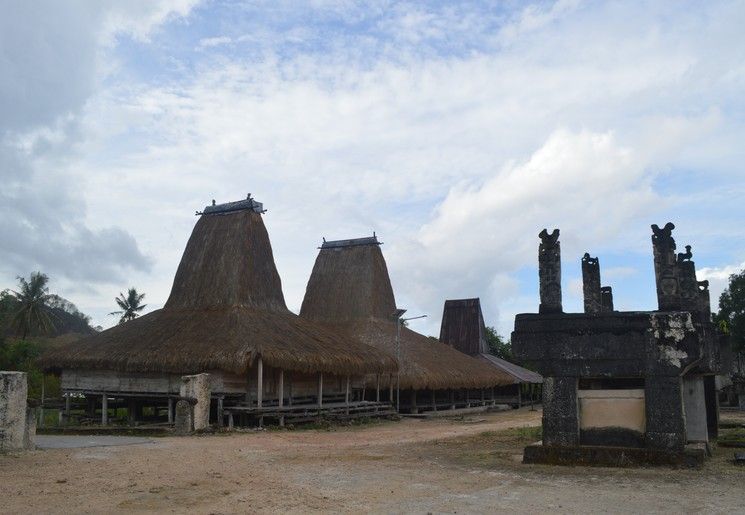
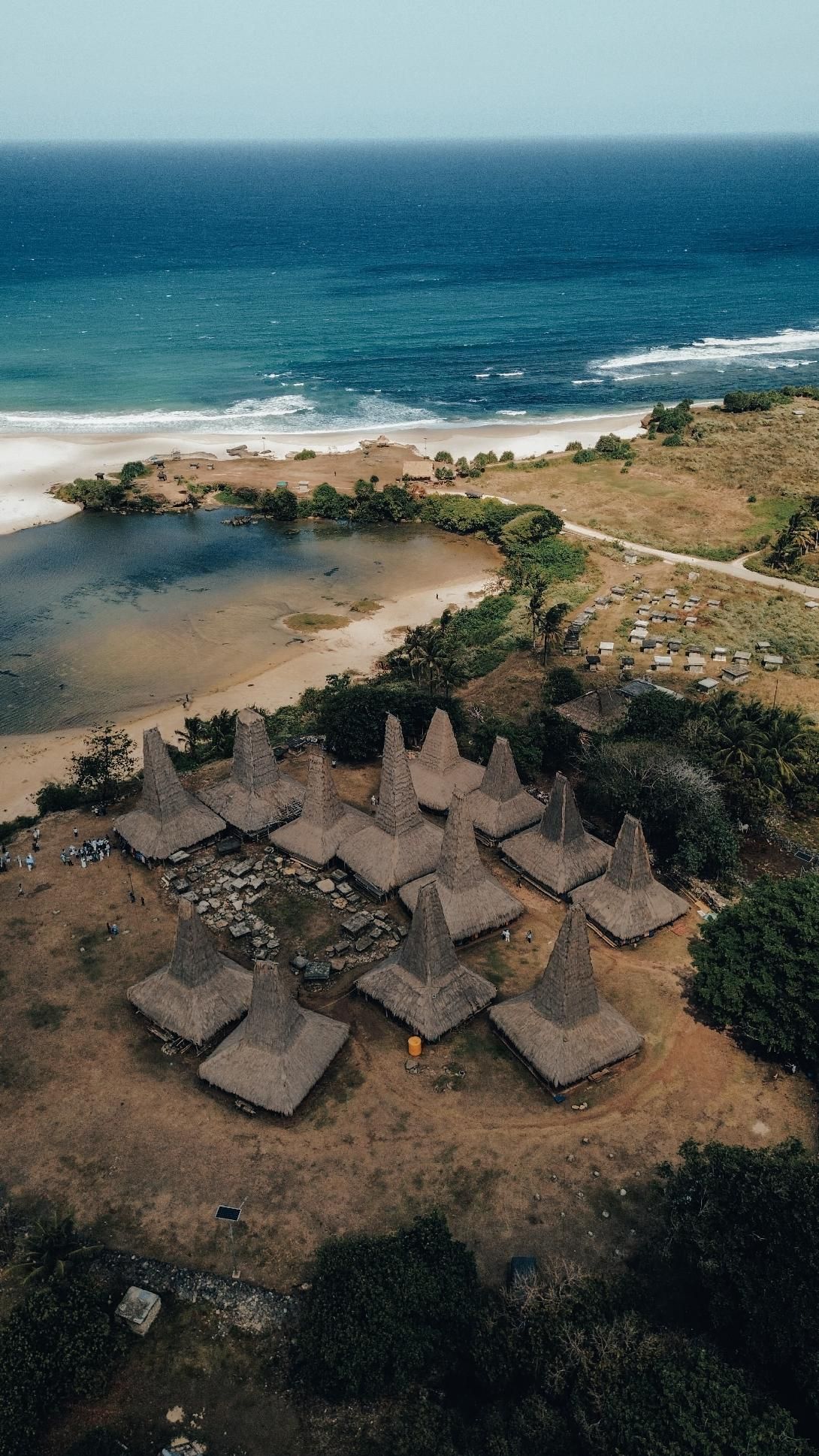
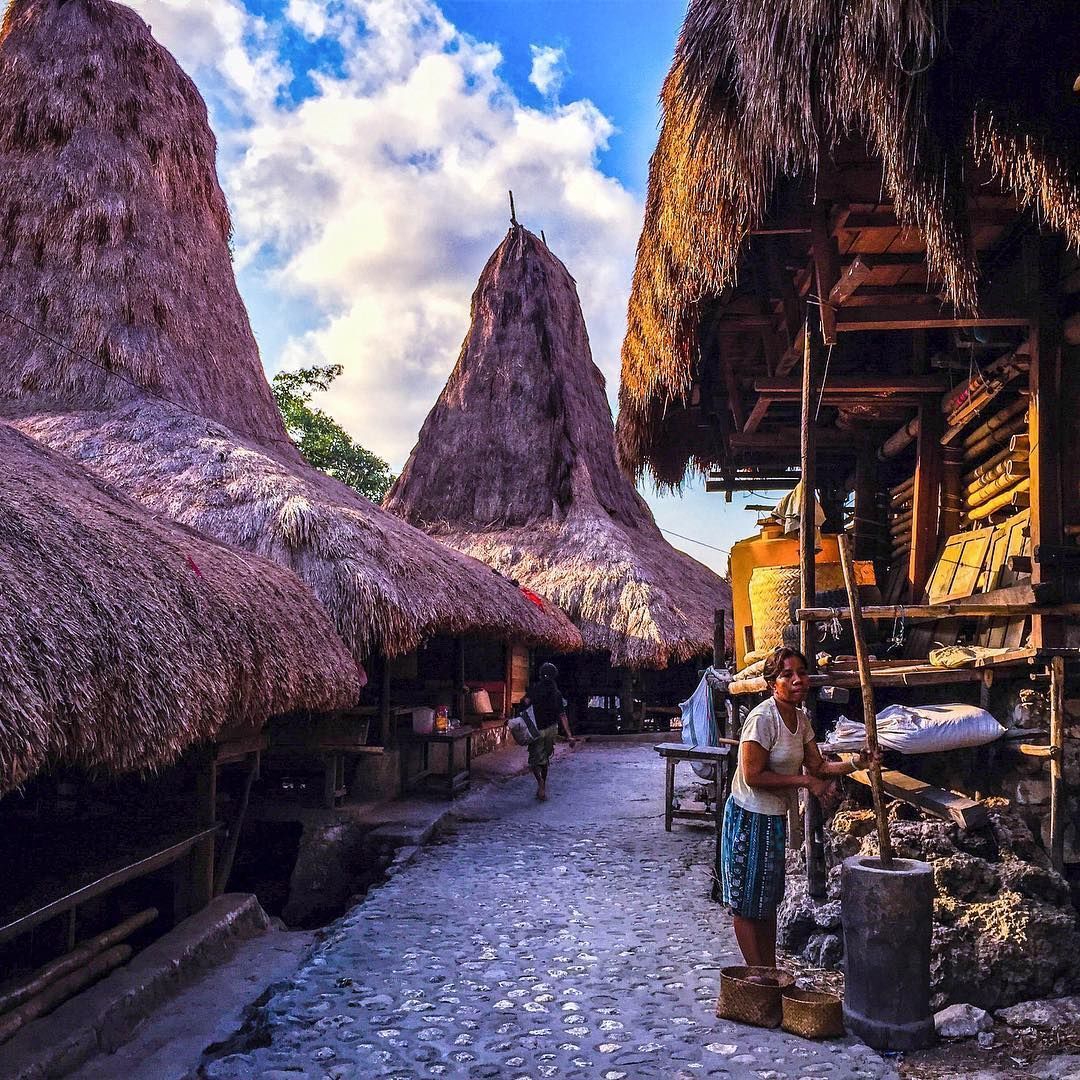
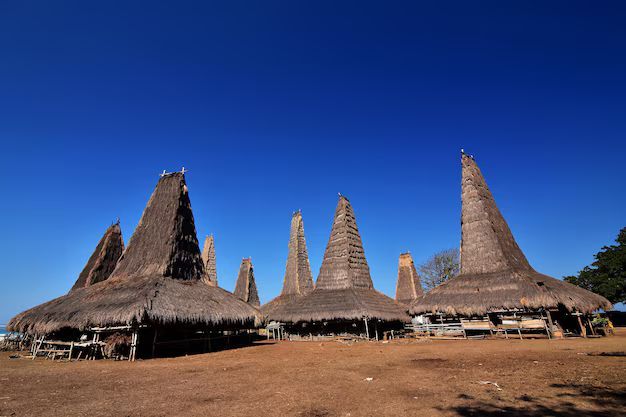
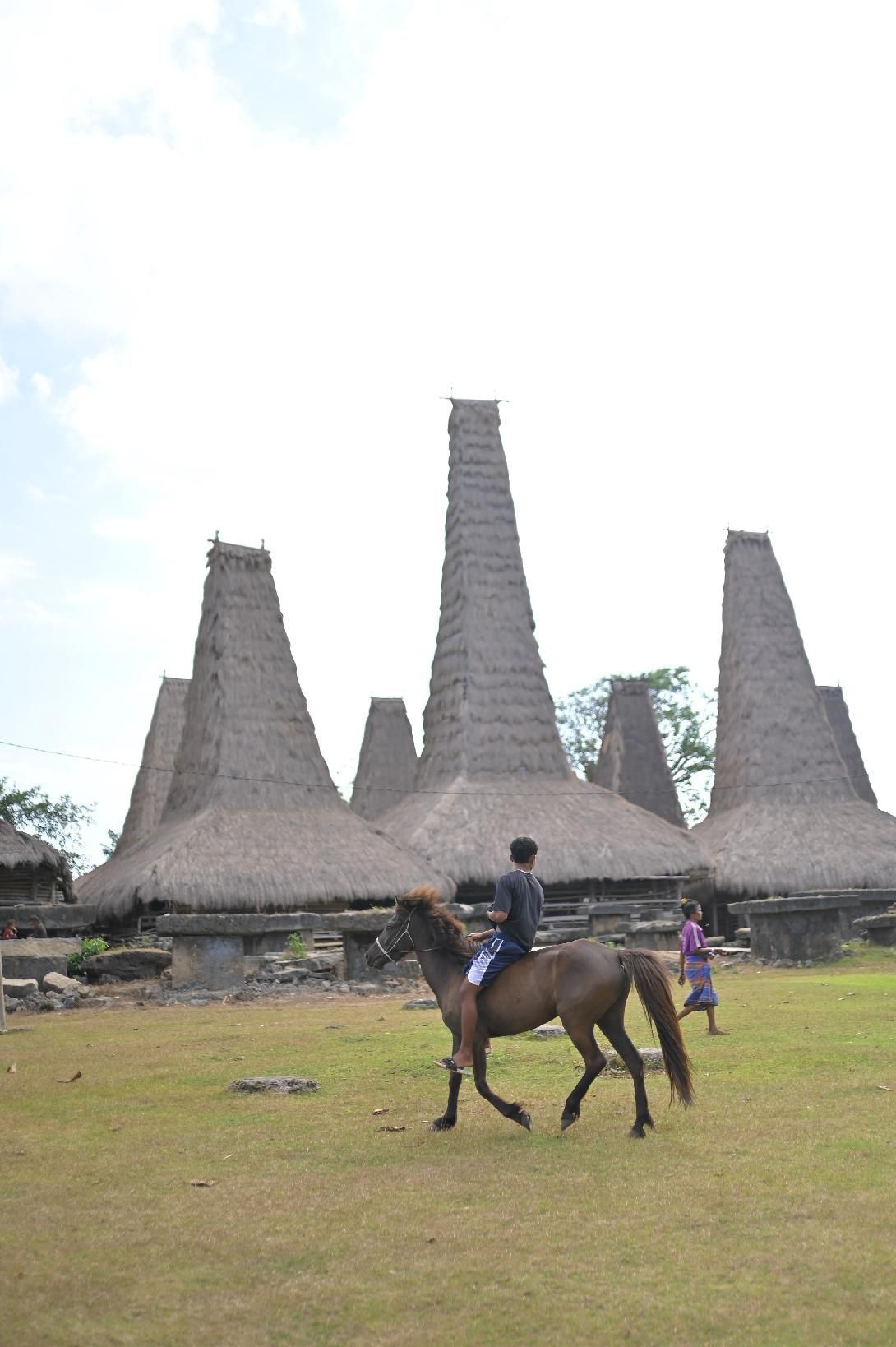
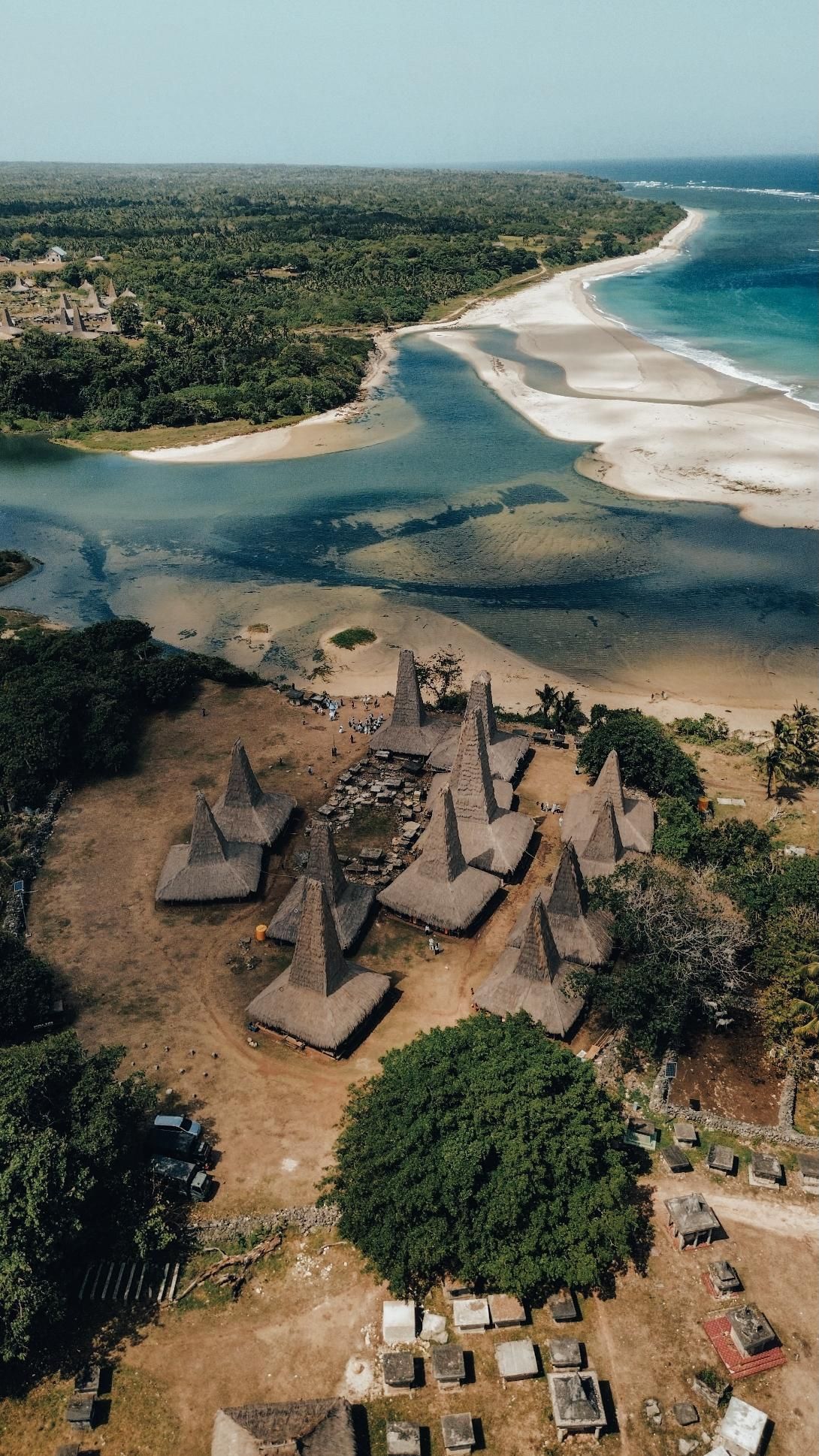
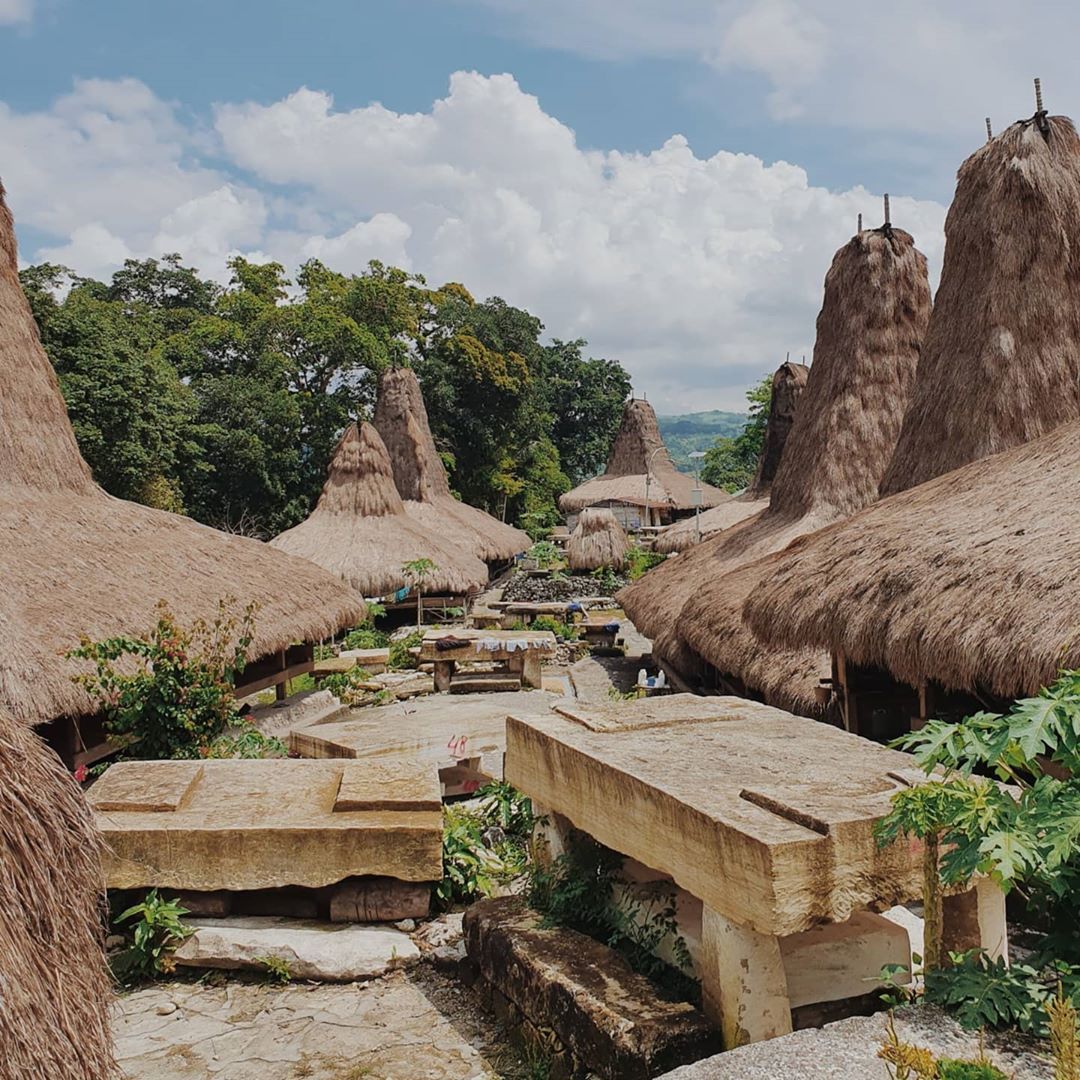
Ratenggaro is one of Sumba’s most recognizable traditional villages, located near the coast in Southwest Sumba. It is known for its very tall, pointed thatched roofs and a large collection of megalithic tombs that reflect the village’s long history. Visitors often come to see how traditional houses are built, learn about ancestral customs, and enjoy the dramatic coastal scenery surrounding the village.
Prai Ijing
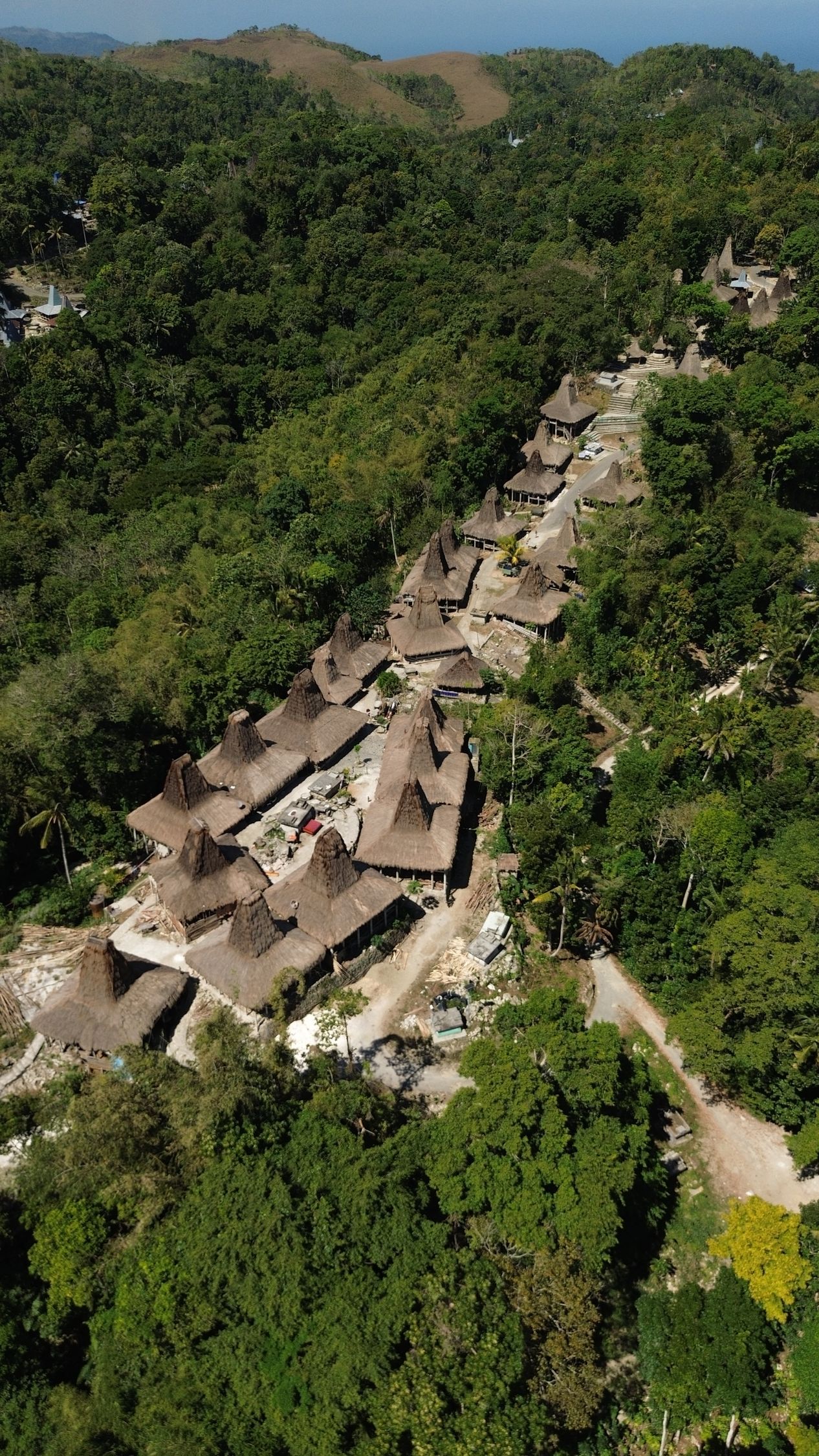
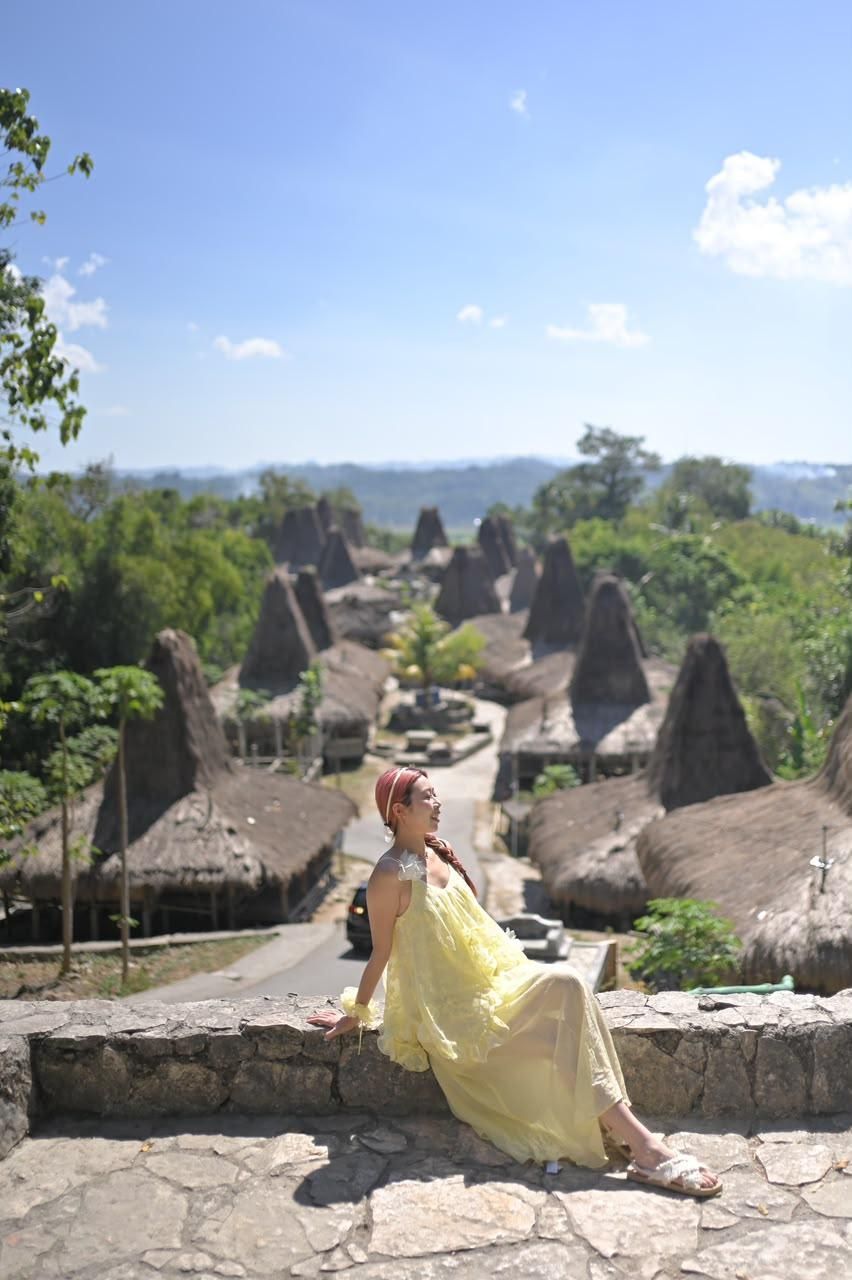
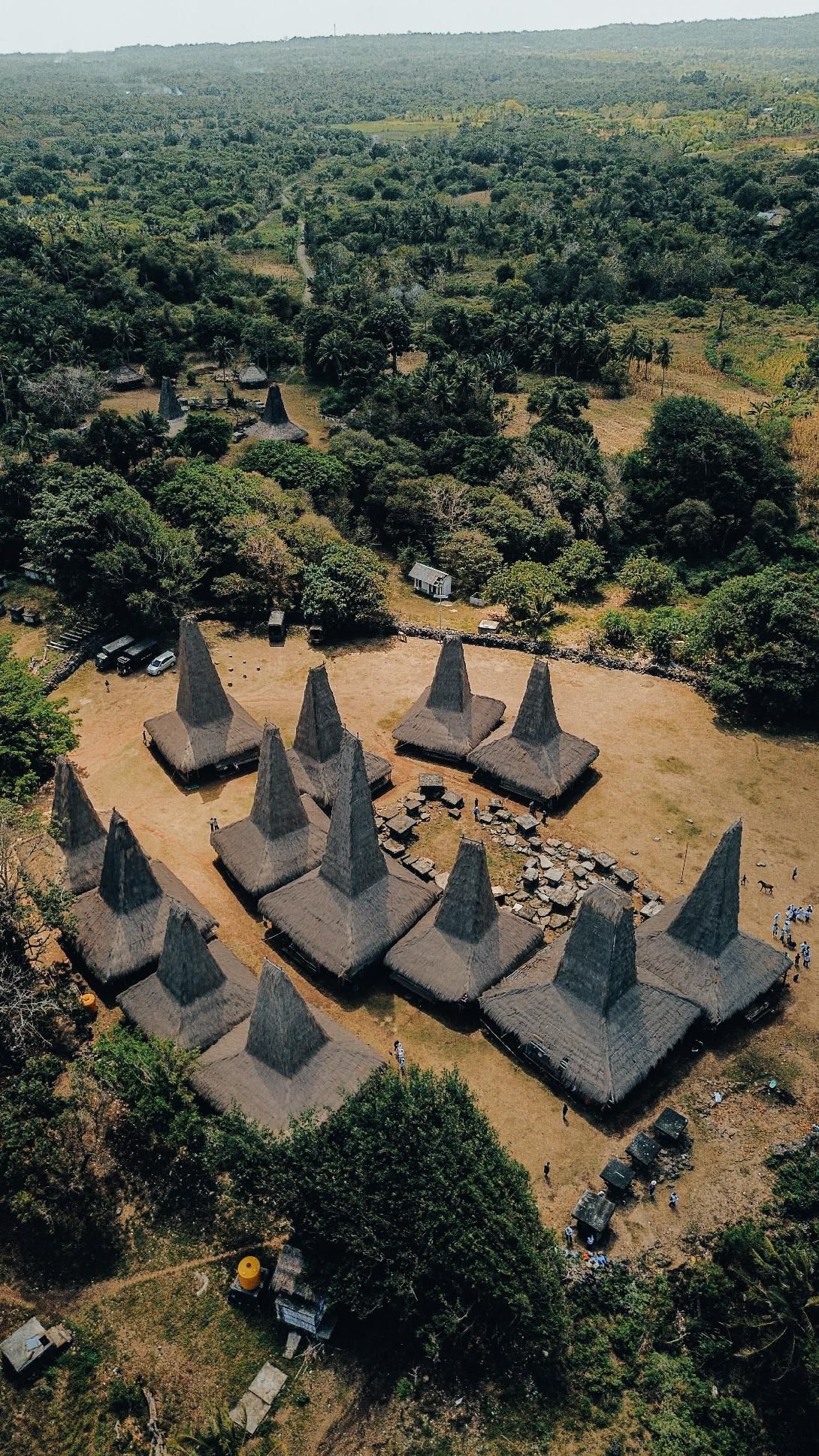
Prai Ijing sits on a hilltop in Central Sumba and offers a clear example of classic Sumbanese architecture. The houses are arranged neatly, with high roofs and stone tombs placed within the village. It is one of the most photographed villages on the island because it preserves traditional layouts and daily practices. Local residents often welcome visitors who want to understand how traditional life continues today.
Rende
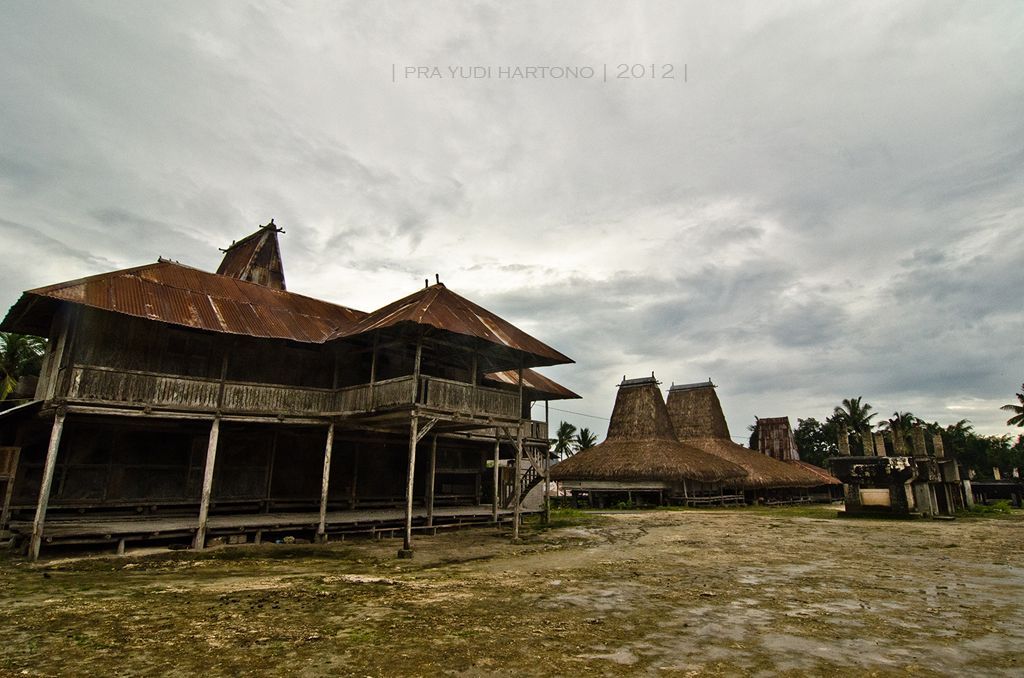
Rende, in East Sumba, is known for its noble houses, which feature carved wooden walls and detailed ornaments that indicate social status and family heritage. The village is closely connected to Marapu traditions, and many of its homes have been maintained for generations. Rende is often highlighted for its craftsmanship and the cultural importance of its ancestral structures.
Kalu
Kalu is another important village in East Sumba, recognized for its traditional houses and strong cultural identity. Like Rende, it reflects the region’s noble lineage and long-standing customs. The village is quieter and less visited, making it a good place to observe traditional life without large crowds. Its architecture and ceremonial spaces show how community and belief systems shape daily routines.
Tarung
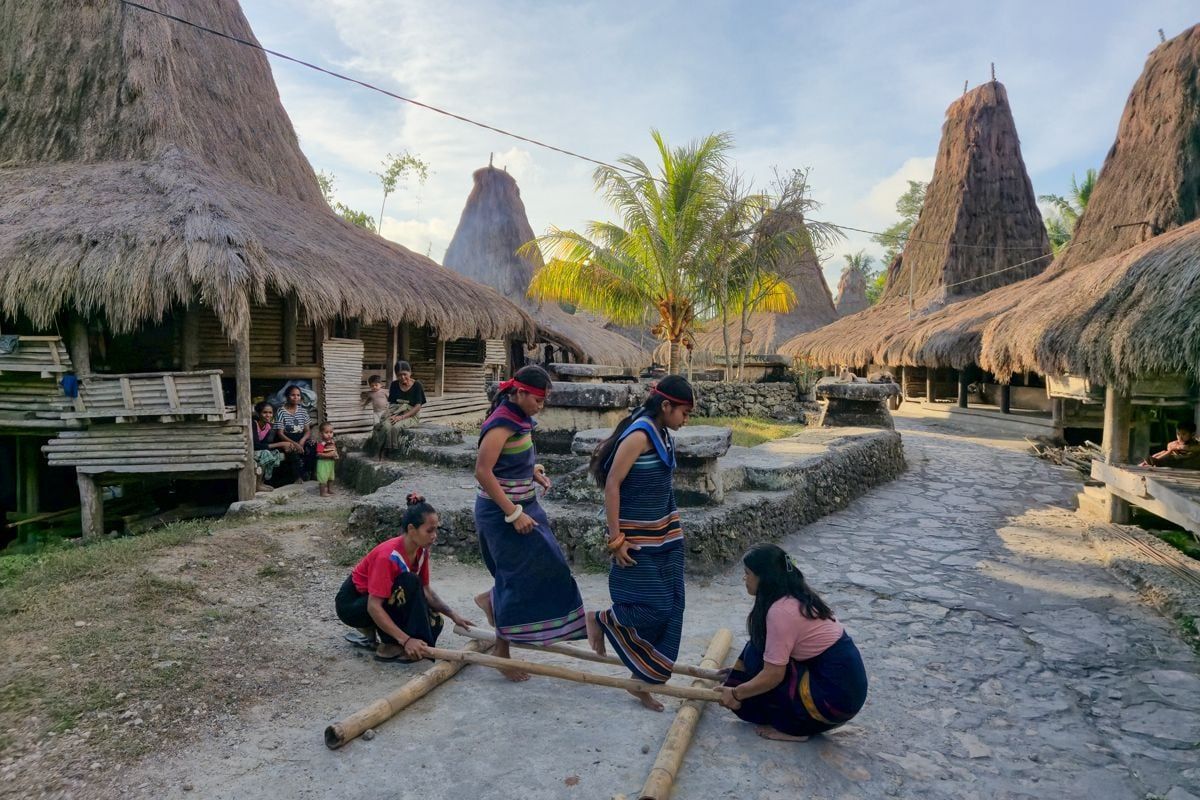
Tarung is one of West Sumba’s cultural centers. It is known for its active Marapu rituals, community gatherings, and megalithic tombs located within the village. Tarung has played a key role in preserving traditional ceremonies and is often involved in major cultural events. Its houses follow the classic Sumbanese style, with tall roofs and central spaces for communal activities.
Waitabar
Waitabar sits right next to Tarung, and together they form a connected cultural area. Waitabar is known for its traditional houses, stone tombs, and ongoing ancestral practices. Many visitors explore both villages in one visit because they share similar architectural styles and cultural significance. Waitabar remains an important place for learning about West Sumba’s traditions and community life.
WORKING TOGETHER
Connect With Locals Through Authentic Traditional Activities
01
Basket-making workshops
Seasonal basket‑making workshops that let you learn traditional weaving techniques directly from local artisans. Offered only at the right time of year, they’re hands‑on, creative, and uniquely Sumba. 1-2 days.
02
Traditional Fishing
Traditional fishing in Sumba is simple, raw, and deeply tied to the sea. Locals still head out in wooden boats at sunrise — and if you’re feeling adventurous, you can join them and experience the island’s ocean life firsthand.
03
Ikat workshops
Discover the art of Sumba’s iconic ikat weaving through a hands‑on workshop guided by local artisans. Learn the traditional techniques, natural dye processes, and cultural stories woven into every pattern. It’s an intimate, creative experience that lets you connect with the island’s heritage in a meaningful way. 1-2 days.
04
Cooking workshops
Join local families in Sumba for hands‑on cooking workshops where you learn traditional recipes, prepare fresh island ingredients, and share a meal made together. It’s an authentic, heartwarming experience that brings you closer to the island’s culture through its flavors.
Beaches of Sumba: From Pure Relaxation to Thrilling Surf Adventures
Weekuri Lake and Mandorak Beach are where you go when you want the world to slow down. Weekuri’s turquoise water is calm enough to mirror the sky, and Mandorak’s twin cliffs frame a pocket of white sand that feels almost private. These are the places for quiet mornings, soft conversations, and letting the ocean breeze talk
Pero and Marosi shift the energy. Pero’s long coastline catches powerful swells, drawing surfers who want a challenge, while Marosi offers wide-open space and consistent waves that feel welcoming even to those still learning. These beaches are in motion — surf rising, spray snapping, riders cutting through.
Mbawana, Watu Malandog, and Watu Bella are for the dreamers. Their signature rock formations and sweeping views give sunrise a cinematic glow and sunset a sacred calm. Rua, Walakiri, and Puru Kambera add their own charm — from Walakiri’s iconic dancing mangroves glowing at dusk to Puru Kambera’s golden savanna meeting the sea.
Together, these places show the full spectrum of Sumba’s coastline:
quiet corners for peace, bold waves for adventure, and horizons that make you stop and stare.
Chasing Waterfalls Across Sumba
Sumba’s waterfalls are where the island’s wild beauty truly comes alive. Lapopu stands tall and majestic, cascading in wide, layered steps that feel almost unreal. Not far away, Waikacura offers a gentler charm — a quiet oasis surrounded by lush green hills. Matayangu, hidden deep in the forest, rewards those who love a challenge with its powerful drop and turquoise pool. Waimarang brings a different kind of magic with its narrow canyon and emerald water glowing between stone walls. And Tanggedu, often called the “Grand Canyon of Sumba,” invites you to wander through sculpted rock corridors and refreshing streams.
Landscapes of Light: Sumba’s Hills & Savannas
Sumba’s hills and savannas paint some of the island’s most unforgettable landscapes. Wairinding stretches wide and golden, its rolling hills glowing at sunrise and sunset. Nearby, Tenau offers sweeping views where the savanna meets the sky, perfect for quiet moments and photography. Hiliwuku brings a softer charm, with gentle slopes and breezy grasslands that feel almost dreamlike. And Lendongara, with its majestic contours and endless horizons, captures the wild spirit of Sumba at its purest.
Ready for more?...
01
Boat riding
Boat riding in Sumba invites you to slow down and soak in the island’s magic
02
Horse riding
Horses are considered sacred in Sumba, especially within the island’s traditional Marapu belief system. Riding with local horsemen, you move at an easy pace. It’s a simple, unforgettable way for travelers to feel Sumba’s spirit.
Wings of Sumba: A Journey Into Indonesia’s Rare Birdlife
Bird watching in Sumba is a compact adventure into one of Indonesia’s most unique ecosystems. The island’s mix of savanna, forest, and limestone hills shelters birds found nowhere else, making every outing feel special. You might spot the Sumba hornbill gliding over treetops, the Sumba boobook hiding in dense forest, or the shimmering Apricot‑breasted sunbird feeding in the morning light.
Other highlights include the Sumba green pigeon, Red-naped fruit dove, Eclectus parrot, and the energetic Metallic starling. With dramatic landscapes and soft early light, Sumba offers ideal conditions for photographing these unique species while enjoying one of Indonesia’s most distinctive natural environments.
Pasola: The Sacred Spear Dance of Sumba
Sumba’s festivals are a vivid expression of the island’s ancestral traditions, each one carrying deep cultural meaning and a strong connection to the Marapu belief system. Throughout the year, villages come alive with ceremonies that blend ritual, community, and celebration — but none is more iconic than Pasola.
Pasola is the heart of Sumba’s cultural calendar: a dramatic ritual spear battle where skilled horsemen charge across open fields, reenacting an ancient tradition meant to ensure fertility and a prosperous harvest. Held between February and March in Lamboya, Kodi, Wanukaka, and Gaura, its exact dates are chosen by the ratos (priests) according to the lunar cycle. The spectacle of thundering horses, vibrant traditional attire, and the spiritual weight of the ceremony makes Pasola unlike anything else in Indonesia.
Beyond Pasola, Sumba hosts several other remarkable festivals:
1001 Sandalwood Horse Parade & Ikat Tenun Festival — A July celebration showcasing Sumba’s famed horses alongside its world‑renowned handwoven tenun ikat. Thousands of weavers and riders participate, turning the island into a moving tapestry of color and craftsmanship.
Horse Racing Festivals — Held in East Sumba during July, August, and October, these races feature young riders demonstrating impressive skill and courage, continuing a long tradition of horsemanship.
Bijalungu Hiu Paana — A sacred January/February ritual welcoming the new season. Guided by the moon, villagers journey to the Hiupaana forest to offer blessings and maintain harmony with nature and ancestors.
Wulla Poddu
— A holy month of purification marked by strict customs and rituals meant to restore balance between humans, nature, and ancestral spirits. It is observed across Southwest Sumba, with Umbu Koba village preserving the tradition most faithfully. it is held
during the full moon between October and November, with the exact timing determined by the
Rato (traditional priests) based on natural signs and the position of the moon.
Say “I Do” in Sumba
Let the magic of Sumba frame your wedding day — an island where ancestral tradition, untouched landscapes, and warm hospitality come together to create a celebration unlike anywhere else. Whether you dream of a traditional Sumbanese ceremony guided by Marapu customs or prefer a more contemporary, Western‑style wedding, we take care of every detail.
From cultural rituals and village blessings to elegant beachfront setups and modern receptions, our team designs a wedding that reflects your story while honoring the spirit of the island. You choose the style; we handle the rest — seamlessly, beautifully, and with the authenticity that makes Sumba unforgettable.
Luxury Escapes Designed for Pure Relaxation
Sumba offers a rare kind of luxury shaped by nature and culture, with exceptional stays across the island: Nihi Sumba, voted among the world’s best hotels, delivers eco‑luxury on the “Edge of Wilderness” with private villas, personal butlers, sunset horseback riding, boat cruises, and spa safaris; Lelewatu Resort brings clifftop serenity with gourmet dining, sweeping ocean views, and world‑class hospitality; The Sanubari Beach Resort is a tropical oasis perfect for pure relaxation along pristine white‑sand shores; and Cap Karoso blends modern design with unmatched amenities, stunning coastal scenery, and exquisite cuisine. Together, these retreats offer refined comfort, immersive experiences, and the freedom to unwind in one of Indonesia’s most captivating islands.
Freedom to Explore Solo - Rent a motorbike -
Rent a motorbike and discover Sumba at your own pace. Effortless and flexible way to explore the island.